How to Create a Dining Area in a Small Apartment
The challenge of creating a dining area in a small apartment is not simply fitting more belongings into less square footage. A small room feels easier to live in when the floor plan is clear, frequently used items are convenient, and the eye is not asked to process every possession at once. That often means choosing fewer storage pieces, using height carefully, and keeping visually busy categories behind doors or inside defined containers. The sections below are designed for apartments, studios, and compact houses where every inch matters. Apply only the ideas that solve a real problem, and leave enough open space for the room to function between resets.
Choose the Smallest Useful Dining Footprint
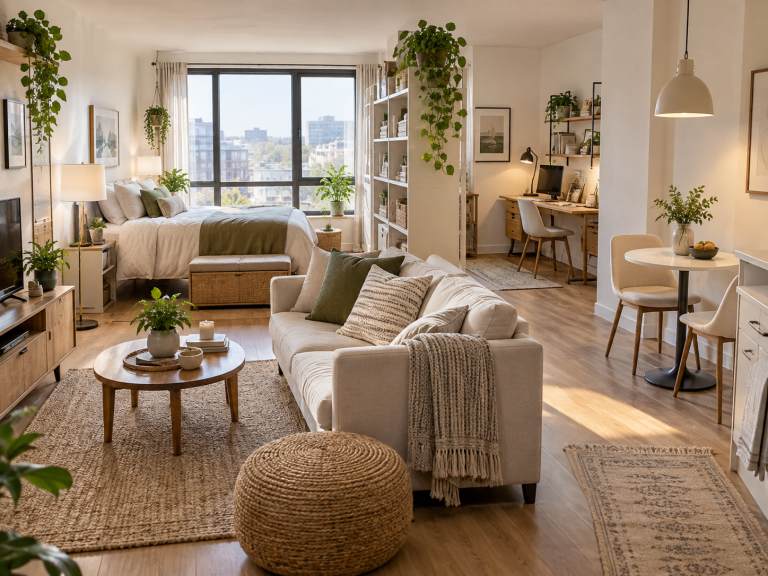
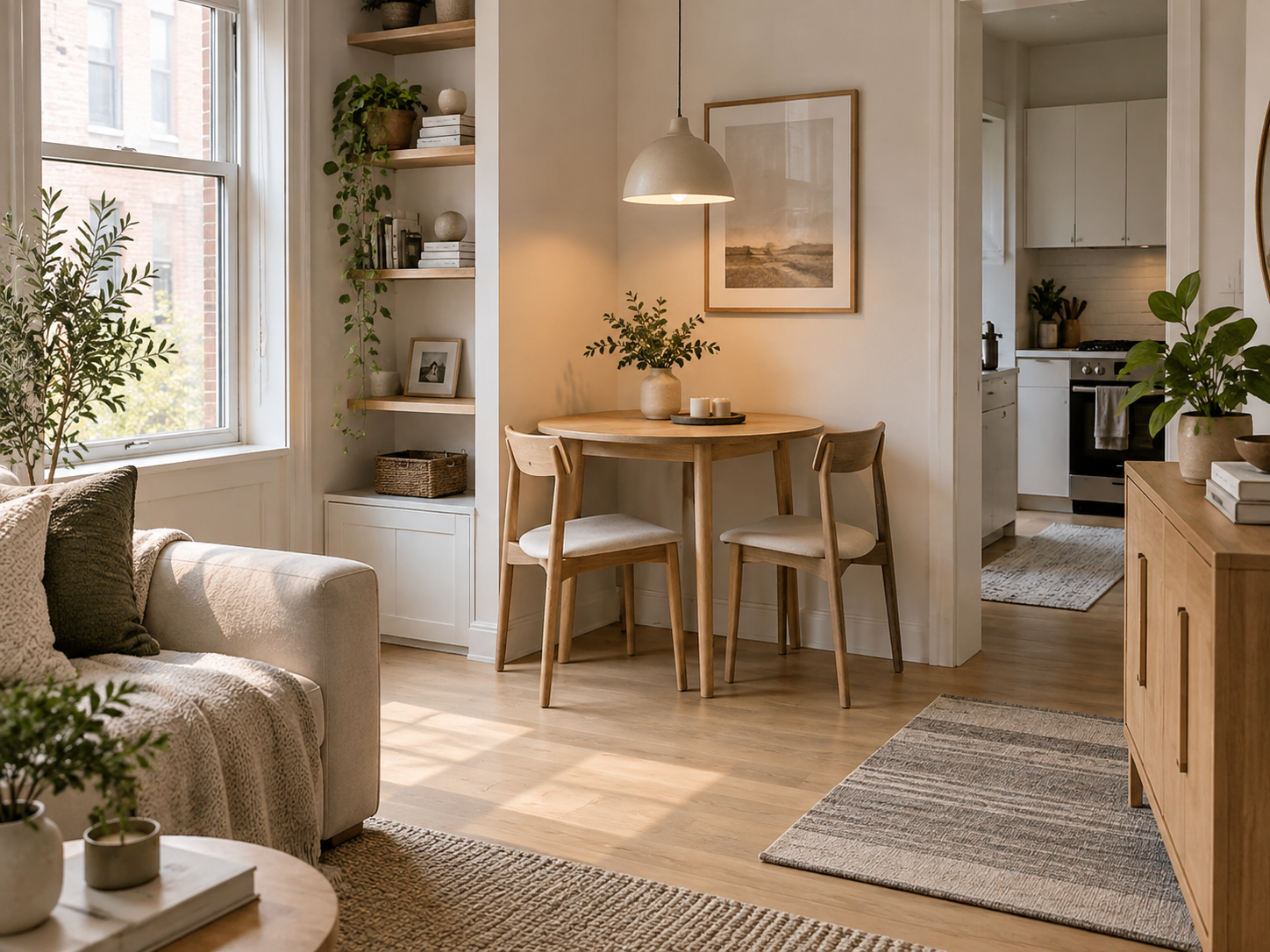
Choosing the smallest useful dining footprint is most successful when it creates capacity and still leaves the eye somewhere to rest. Visual clutter often comes from many small storage pieces, exposed entryway, and furniture that interrupts sightlines rather than from square footage alone—a useful distinction when choosing the smallest useful dining footprint. Measure width, depth, and clearance, then test the idea with the smallest practical footprint before adding anything permanent—a useful distinction when choosing the smallest useful dining footprint. A five-minute reset works well in compact rooms because a small amount of returned clutter immediately restores usable floor and surface area—a useful distinction when choosing the smallest useful dining footprint. When choosing the smallest useful dining footprint preserves movement and reduces visual competition, the room feels larger even though its dimensions have not changed.
Use a Wall or Corner Intentionally
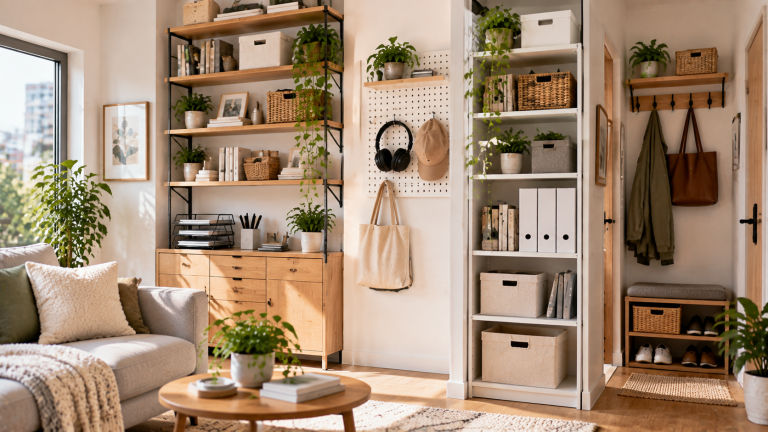
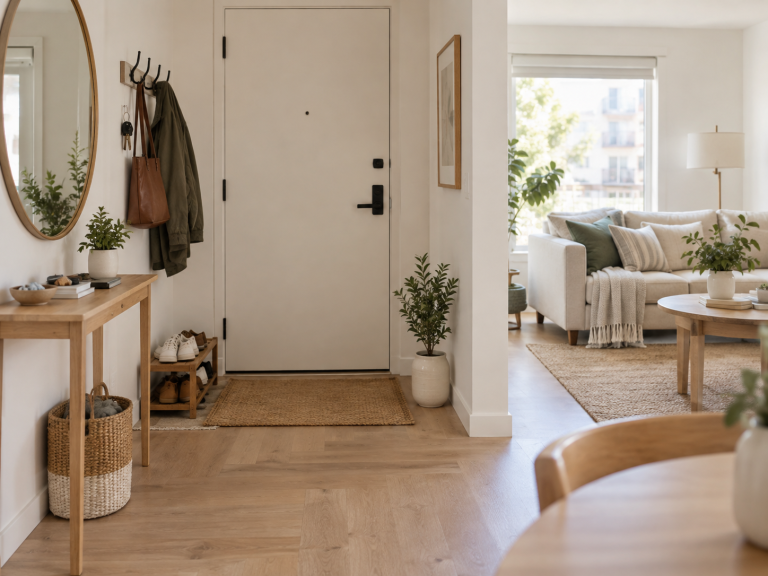
Using a wall or corner intentionally is most successful when it creates capacity and still leaves the eye somewhere to rest. The most useful storage is usually the one that frees a working surface or keeps entryway off the floor without creating another obstacle—a useful distinction when using a wall or corner intentionally. Use vertical or concealed capacity where it solves a defined problem, but preserve some blank wall and open floor so the room still feels calm—a useful distinction when using a wall or corner intentionally. Keep the route between the entrance and the room’s main activity clear; uninterrupted movement makes limited square footage feel more generous—a useful distinction when using a wall or corner intentionally. When entryway or kitchen exceeds its shelf or basket, review the contents before adding more capacity—a useful distinction when using a wall or corner intentionally. Protecting a little empty capacity is part of the design; it gives the home room to absorb normal daily activity—a useful distinction when using a wall or corner intentionally. For related examples and a wider organizing framework, read Small Apartment Storage Ideas That Do Not Require Renovation after you have tested this setup in daily use.
Consider Extendable or Drop-Leaf Furniture
Approach considering extendable or drop-leaf furniture by protecting movement first, then adding only the storage or furniture that earns its footprint. Categories such as keys, wallets, and bags can overwhelm a compact room quickly because there is little spare surface or floor area to absorb overflow. Use vertical or concealed capacity where it solves a defined problem, but preserve some blank wall and open floor so the room still feels calm—a useful distinction when considering extendable or drop-leaf furniture. Seasonal changes are a good time to rotate low-frequency belongings so prime storage stays available for what is used now—a useful distinction when considering extendable or drop-leaf furniture. Once the room feels easier to move through and easier to reset, extra storage is usually less urgent than it first appeared.
Choose Chairs That Tuck Away Easily
Approach choosing chairs that tuck away easily by protecting movement first, then adding only the storage or furniture that earns its footprint. The most useful storage is usually the one that frees a working surface or keeps entryway off the floor without creating another obstacle—a useful distinction when choosing chairs that tuck away easily. Keep entryway in the easiest zone, group kitchen tightly, and move occasional bedroom higher, lower, or into hidden storage—a useful distinction when choosing chairs that tuck away easily. Keep category limits visible. When entryway or kitchen exceeds its shelf or basket, review the contents before adding more capacity—a useful distinction when choosing chairs that tuck away easily. Protecting a little empty capacity is part of the design; it gives the home room to absorb normal daily activity—a useful distinction when choosing chairs that tuck away easily.
Use Lighting to Define the Dining Zone
Using lighting to define the dining zone matters in a compact home because every piece of floor, wall, and storage space affects how the room feels to use. Visual clutter often comes from many small storage pieces, exposed keys, and furniture that interrupts sightlines rather than from square footage alone. Keep keys in the easiest zone, group work supplies tightly, and move occasional meal-prep tools higher, lower, or into hidden storage. Keep category limits visible. When keys or work supplies exceeds its shelf or basket, review the contents before adding more capacity. When using lighting to define the dining zone preserves movement and reduces visual competition, the room feels larger even though its dimensions have not changed.
Keep the Table From Becoming Permanent Storage
In a small space, keeping the table from becoming permanent storage should improve function without making the room visually or physically heavier. The most useful storage is usually the one that frees a working surface or keeps entryway off the floor without creating another obstacle—a useful distinction when keeping the table from becoming permanent storage. Measure width, depth, and clearance, then test the idea with the smallest practical footprint before adding anything permanent—a useful distinction when keeping the table from becoming permanent storage. Seasonal changes are a good time to rotate low-frequency belongings so prime storage stays available for what is used now—a useful distinction when keeping the table from becoming permanent storage. The best small-space solution is the one you can use without rearranging something else first—a useful distinction when keeping the table from becoming permanent storage. For a broader system that complements this step, see How to Reduce Clutter in a Small Apartment, which adds useful context without changing the basic routine.
Add Nearby Storage Without Crowding the Area
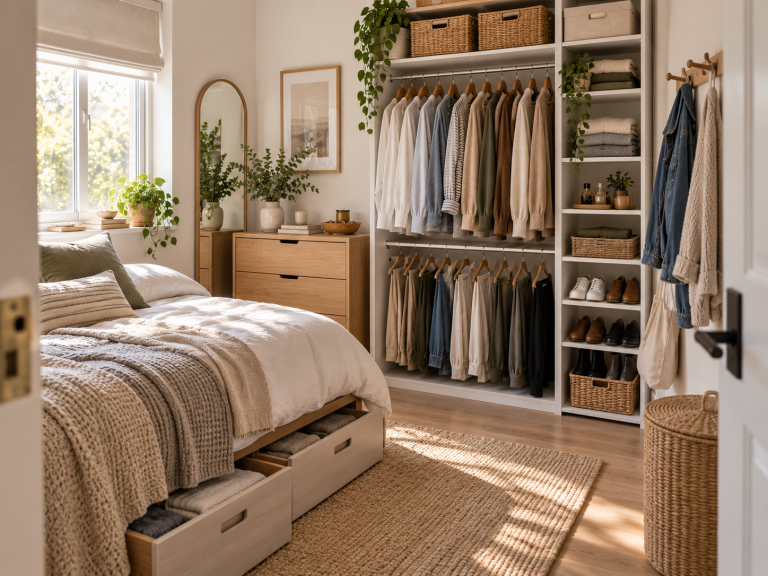
In a small space, adding nearby storage without crowding the area should improve function without making the room visually or physically heavier. The most useful storage is usually the one that frees a working surface or keeps entryway off the floor without creating another obstacle—a useful distinction when adding nearby storage without crowding the area. Keep entryway in the easiest zone, group kitchen tightly, and move occasional bedroom higher, lower, or into hidden storage—a useful distinction when adding nearby storage without crowding the area. Keep category limits visible. When entryway or kitchen exceeds its shelf or basket, review the contents before adding more capacity—a useful distinction when adding nearby storage without crowding the area. Once the room feels easier to move through and easier to reset, extra storage is usually less urgent than it first appeared—a useful distinction when adding nearby storage without crowding the area.
Make the Dining Space Serve More Than One Purpose
Making the dining space serve more than one purpose matters in a compact home because every piece of floor, wall, and storage space affects how the room feels to use. Visual clutter often comes from many small storage pieces, exposed entryway, and furniture that interrupts sightlines rather than from square footage alone—a useful distinction when making the dining space serve more than one purpose. Use vertical or concealed capacity where it solves a defined problem, but preserve some blank wall and open floor so the room still feels calm—a useful distinction when making the dining space serve more than one purpose. A five-minute reset works well in compact rooms because a small amount of returned clutter immediately restores usable floor and surface area—a useful distinction when making the dining space serve more than one purpose. Once the room feels easier to move through and easier to reset, extra storage is usually less urgent than it first appeared—a useful distinction when making the dining space serve more than one purpose.
Conclusion
A compact home works best when storage, furniture, and open space are balanced rather than maximized. Keep prime locations for what you use now, rotate occasional belongings out of the way, and review any category that repeatedly spills onto the floor or counters. Test new arrangements before buying permanent solutions, because movement and clearance matter as much as capacity. The goal with creating a dining area in a small apartment is not to hide every object. It is to make the room support daily life without constant rearranging. When that happens, a small space can feel calm, deliberate, and surprisingly generous.