
The Ultimate Room-by-Room Cleaning Checklist
A room-by-room cleaning checklist can save time because it gives you a logical sequence instead of forcing you to decide what to do next while you are already working. The goal, however, is not to complete every possible task every time you clean. A useful checklist separates regular cleaning from occasional deep cleaning and helps you prioritize the surfaces that affect comfort, hygiene, and appearance most. Before starting, gather basic supplies, open windows when appropriate, and remove obvious clutter so you can reach the areas that need cleaning. Work from higher surfaces to lower ones and generally finish with the floor, because dust and debris naturally fall during the process. The checklist below can be used for a whole-home reset or divided across several days. Adjust products and methods to the materials in your home, and always follow manufacturer guidance for delicate surfaces.
Kitchen Checklist: Food Safety and Usable Surfaces First
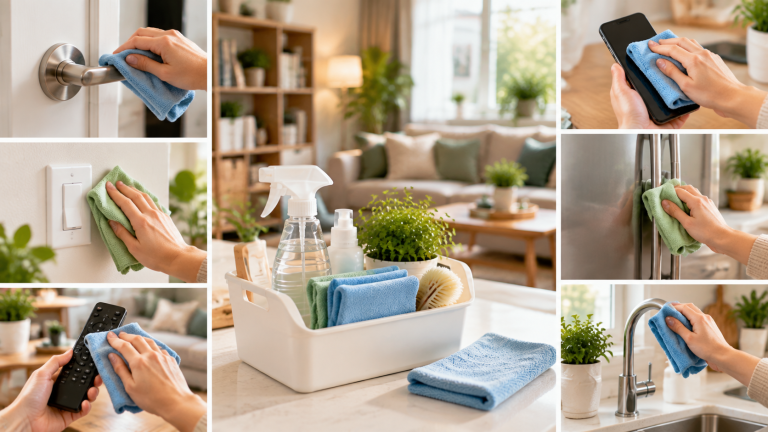
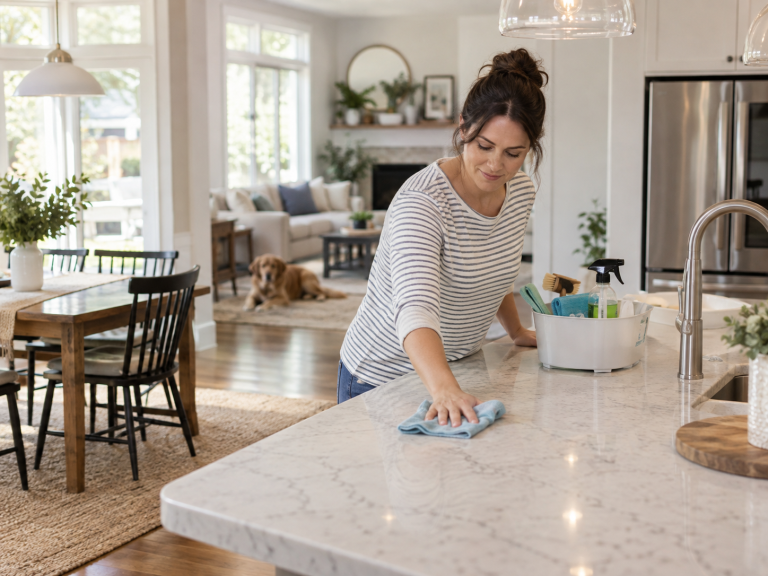
In the kitchen, begin by putting food away and clearing dishes so you have room to work. Wipe countertops, the table, backsplash areas with visible splatter, appliance handles, cabinet pulls, and other frequently touched surfaces. Clean the sink and faucet, then check the stovetop for grease or burned residue that is easier to remove before it hardens further. Wipe the exterior of the refrigerator, dishwasher, microwave, and oven as needed rather than polishing every appliance automatically. Sweep or vacuum crumbs before mopping, especially beneath the table and along cabinet edges. On deeper-clean days, add the microwave interior, refrigerator shelves, range hood, cabinet fronts, and the area behind movable small appliances. The highest priority is a safe, usable food-preparation environment, so spend your time where cooking and eating actually happen rather than chasing every invisible mark.
Living Room Checklist: Dust, Soft Furnishings, and Floors
Start the living room by returning books, cups, toys, electronics, and blankets to their usual places. Dust from top to bottom, including accessible shelves, picture frames, lamps, tables, television stands, and window sills. Use care around screens and electronics and follow appropriate cleaning instructions rather than spraying products directly onto sensitive surfaces. Check sofas and chairs for crumbs, pet hair, or debris, and vacuum upholstery when needed, including beneath removable cushions if the design allows. Straighten textiles and wipe frequently handled controls or switches. Finish by vacuuming rugs and carpets or sweeping and mopping hard floors. On rotating deep-clean days, move lighter furniture, wash washable throws, clean vents, and address baseboards. The room will often look significantly cleaner once visible surfaces and seating areas are reset, so prioritize those before spending time on hidden details.
Bedroom Checklist: Freshness Without Overworking the Space
A bedroom cleaning routine should focus on bedding, dust, floors, and the surfaces near where you sleep. Remove dishes and trash, put clothing into the hamper or closet, and clear the nightstand enough to clean it properly. Change sheets based on your preferred schedule and allow the mattress area to air briefly while you dust. Wipe nightstands, dressers, lamps, and accessible shelves, paying attention to dust that gathers behind small objects. Vacuum or sweep beneath the visible edges of the bed and along the main walking paths, then mop hard floors if needed. Mirrors can be cleaned when fingerprints or haze are visible rather than on a rigid schedule. Deeper tasks include vacuuming more thoroughly under the bed, washing mattress protectors, cleaning fan blades, and reviewing items stored on top of wardrobes. A clean bedroom should feel fresh and restful, not overprocessed.
Bathroom Checklist: Work From Cleaner Areas to Dirtier Ones
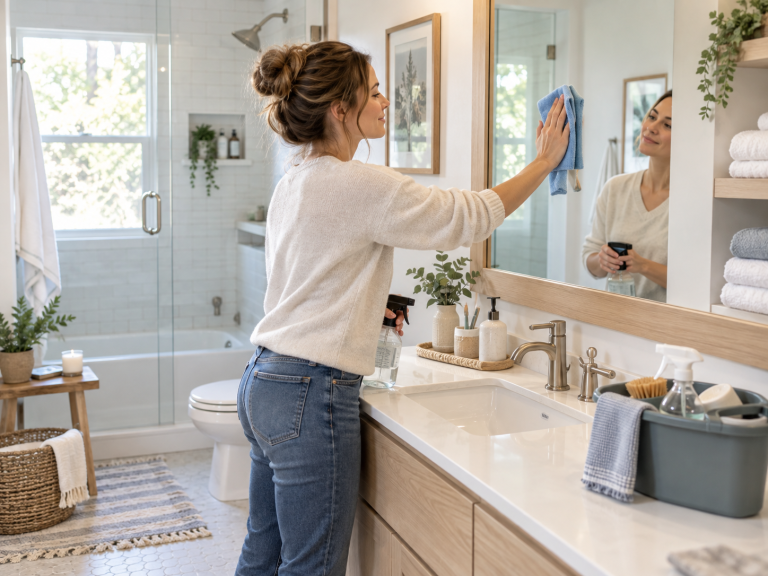
In the bathroom, remove towels and loose items from surfaces before you begin. Clean mirrors and shelves first, then wipe the sink, counter, faucet, and cabinet handles. Move to the shower or tub, focusing on soap residue, hair, and areas where moisture lingers. Clean the toilet last among the main fixtures and use separate cloths or tools as appropriate to avoid cross-contamination. Empty the trash, replace towels, and sweep or vacuum hair before mopping the floor. Ventilate the room during and after cleaning when possible. Deeper tasks can include washing shower curtains or liners, descaling fixtures, cleaning grout, wiping exhaust fan covers, and clearing drains according to safe maintenance practices. Regular light cleaning is usually more effective than waiting for heavy buildup, especially in humid areas where moisture can make residue harder to manage.
Entryway and Hall Checklist: Control Dirt at the Source
Entryways and halls may contain less furniture than other rooms, but they collect a disproportionate amount of outdoor dirt. Start by putting away shoes, bags, packages, and outerwear so the floor is open. Shake out or vacuum mats, wipe the inside surface of the main door if it shows marks, and clean handles, switches, and any console or shelf used daily. Sweep or vacuum corners where grit gathers, then mop appropriate hard flooring. Check walls at shoulder and hand height for scuffs that can be spot-cleaned safely. If you have stairs, vacuum or sweep them with attention to edges and landings, but use safe equipment and avoid overreaching. Deeper cleaning may include washing washable mats, wiping baseboards, and cleaning the exterior-facing side of interior glass. Keeping the entrance clean helps reduce the amount of dirt carried into every other room.
Home Office Checklist: Clean Without Losing Important Work
A home office needs a different approach because papers, cables, and active projects can be important even when they look cluttered. Begin by separating current work from obvious trash and returning supplies to their containers. Dust the desk, shelves, lamp, and equipment using methods suitable for electronics. Wipe the keyboard, mouse, phone, and other frequently touched devices according to manufacturer guidance, and avoid excess moisture. Vacuum around the desk and beneath the chair where dust and paper fragments often gather. Empty the trash and recycling, then organize cables only if doing so will not interrupt equipment. Deeper tasks include cleaning vents, reviewing old paperwork, dusting behind monitors, and wiping rarely used shelves. The objective is a hygienic, functional workspace, not an empty desk. Preserve active systems that help you work and clean around them rather than disrupting everything for the sake of appearance.
Laundry and Utility Areas: Remove Lint, Moisture, and Product Residue
Laundry areas are easy to ignore because they are work spaces, but regular maintenance improves both cleanliness and function. Wipe the tops and control panels of the washer and dryer, remove detergent drips, and sweep or vacuum lint and dust from the floor. Empty the dryer lint filter according to the appliance instructions and inspect the area around machines for dropped socks, packaging, or moisture. Keep detergents and stain products contained so spills are easy to notice. If you have a utility sink, clean it like any other frequently used sink. On deeper-clean days, follow manufacturer guidance for washing-machine cleaning cycles, inspect accessible hoses, clean behind movable items when safe, and address ventilation areas appropriately. Avoid moving heavy appliances without proper assistance. A clean utility area makes laundry routines smoother because supplies are easier to reach and small maintenance issues are more visible.
Storage Spaces and Garages: Clean After Decluttering
Cleaning storage rooms, closets, and garages is most efficient after removing obvious clutter. Sweep floors, vacuum reachable corners, wipe sturdy shelving, and remove cobwebs from accessible areas. Keep chemicals, tools, seasonal items, and household supplies stored according to safety requirements rather than focusing only on appearance. Check for moisture, pests, damaged packaging, or leaks that may require attention. In closets, dust shelves before returning folded items and vacuum the floor once it is clear. In garages, prioritize safe walking paths and avoid creating unstable stacks while cleaning. Deeper tasks can be seasonal because these spaces usually do not require weekly attention. The checklist should support function: you should be able to reach frequently needed items without moving many boxes, see the floor well enough to notice problems, and keep potentially hazardous materials appropriately contained and separated.
Conclusion: Use the Checklist as a Guide, Not a Test
The ultimate room-by-room cleaning checklist is useful only when it helps you work more efficiently. Prioritize food-contact areas, bathrooms, high-touch surfaces, visible dust, floors, and the rooms used most often. Save baseboards, vents, appliance interiors, and other deeper tasks for rotating sessions instead of trying to complete everything during every clean. Work from top to bottom, remove clutter before wiping surfaces, and finish floors after dust and debris have fallen. Most importantly, adapt the checklist to your home’s materials, occupancy, pets, and routines. A household that cooks daily will need different kitchen priorities from one that eats out frequently, and a pet-friendly living room may require more upholstery care. Cleaning is easier when the checklist reflects actual use rather than an unrealistic standard. Use it to create consistency, then adjust it as you learn where your home truly needs attention.